SIS 2026 Speakers


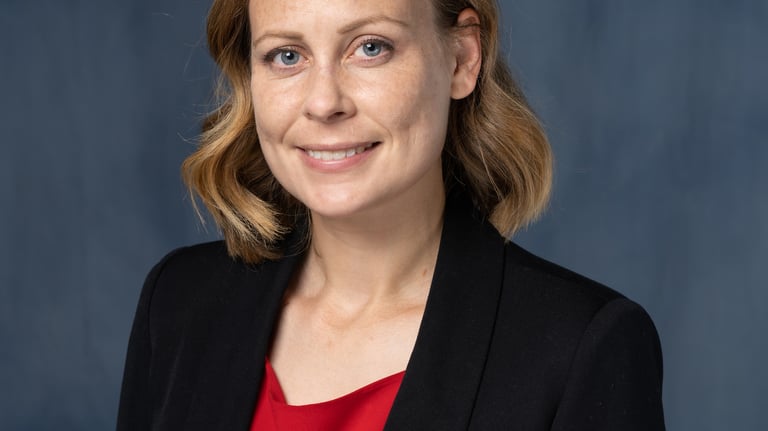
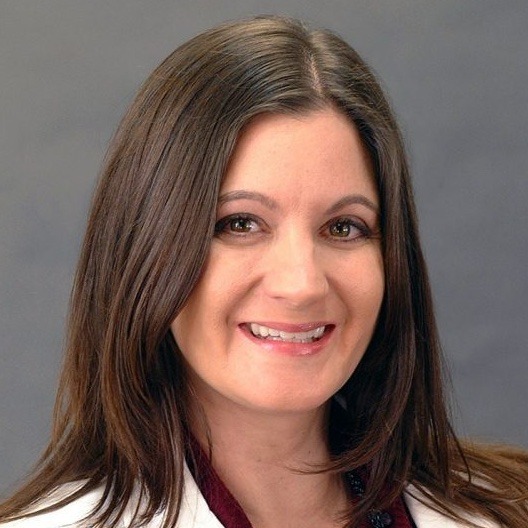
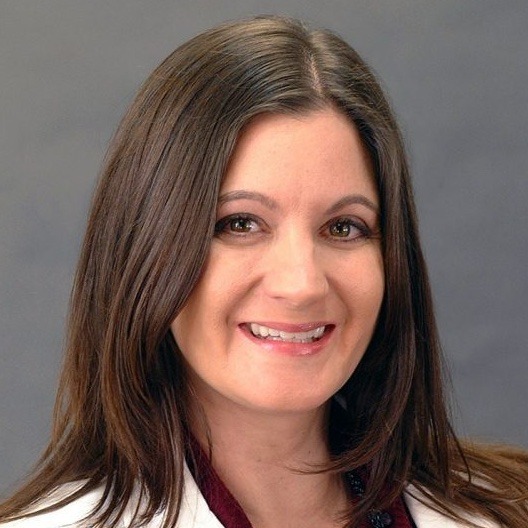
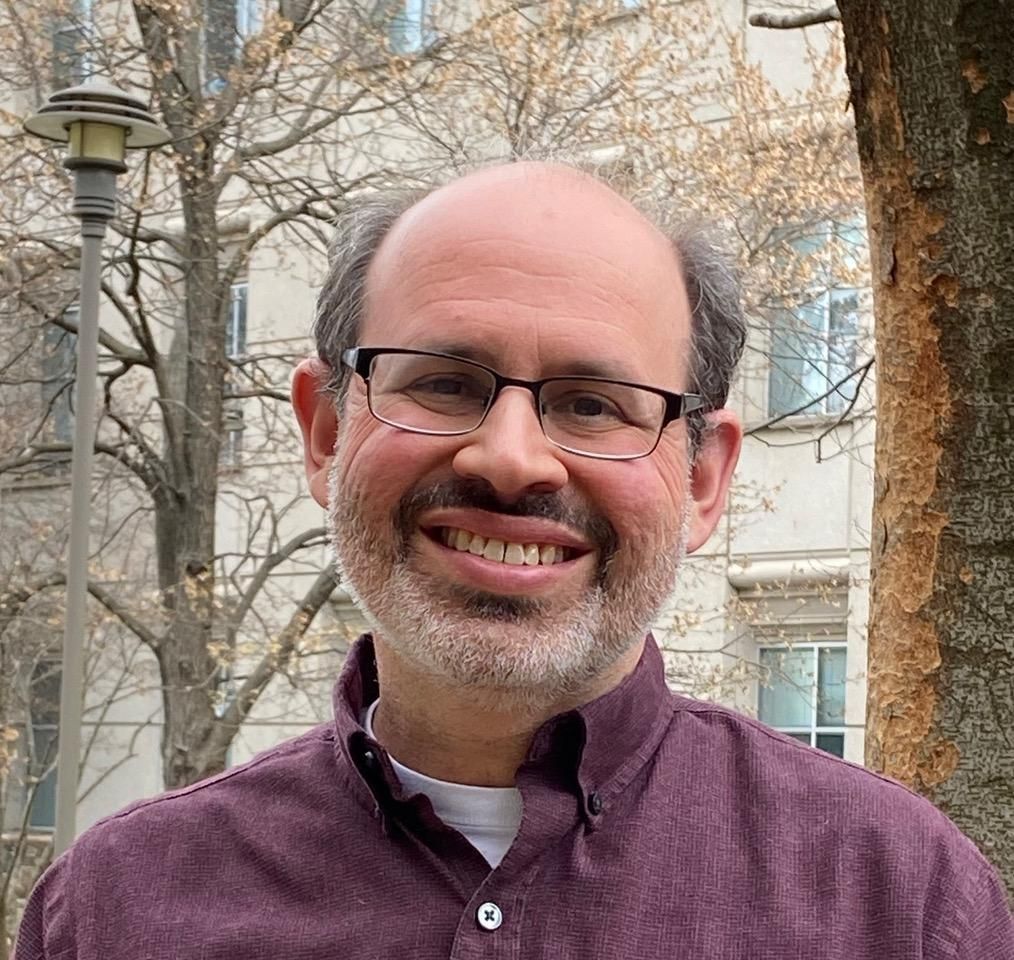
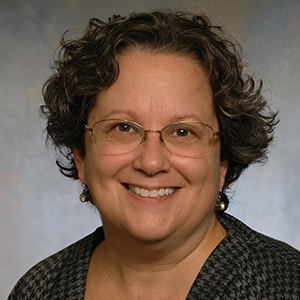
Anne Sperling, PhD
Professor, Medicine- Pulmonary and Critical Care Medicine
University of Virginia
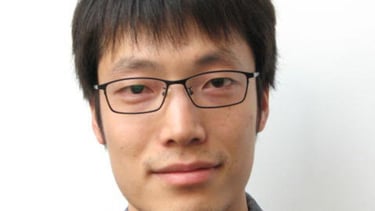
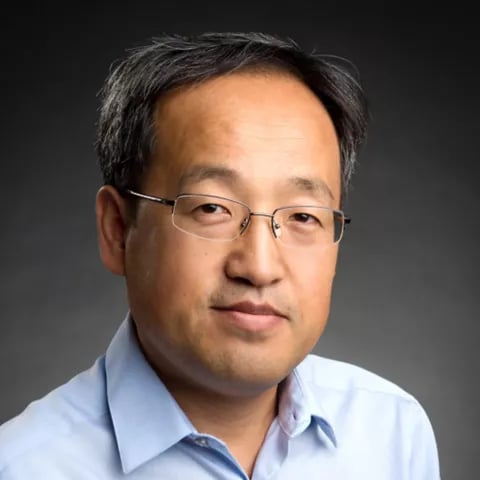
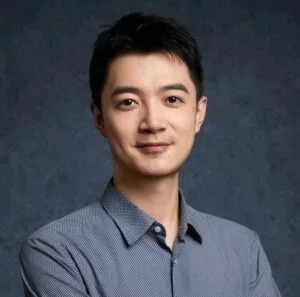
Qiwei Wang, PhD
Assistant Professor of Microbiology, Immunology and Cancer Biology, Microbiology, Immunology, and Cancer Biology
University of Virginia
Dr. Wang is Assistant Professor with an interdisciplinary research background in cancer biology, immuno-oncology, and oncometabolism. His laboratory dissects bidirectional tumor–immune interactions to uncover new mechanisms driving progression and therapeutic resistance in advanced cancers.
During Dr. Wang's previous work, he investigated how targeting tumor cell-intrinsic signaling affects not only cancer cell viability but also tumor immune microenvironment (TIME). They were among the first to show that PARP inhibitors (PARPi) activate the cGAS–STING pathway to elicit anti-tumor immune responses (Cell Rep., 2018). They identified a role for tumor cell-intrinsic PI3Kβ in promoting immune evasion in PTEN-null breast cancer (Nature, 2023). Recently, Dr. Wang and his colleagues found that vitamin C promotes anti-tumor immune responses by enhancing STAT1-mediated interferon signaling via protein post-translational modifications (PTMs) (Cell, 2025). In parallel, he studied how the TIME alters tumor cell-intrinsic signaling. The lab demonstrated that tumor-associated macrophages (TAMs) limit PARPi-mediated DNA damage, and that STING agonism can reprogram TAMs to enhance PARPi responses in breast and ovarian cancers (Nat Commun., 2022; J Immunother Cancer., 2023). Collectively, these findings underscore the therapeutic promise of targeting the tumor-immune interface to improve clinical outcomes.
Dr. Wang's new laboratory strives to build a highly collaborative and innovation-driven research team that works at the forefront of cancer biology and immuno-oncology. Specifically, they aim to (i) investigate how immunogenic, metabolic, and oncogenic pathways intersect to shape tumor-immune interactions; (ii) dissect how evolving tumor–immune dynamics influence treatment responses, and (iii) leverage these insights to improve cancer therapies.
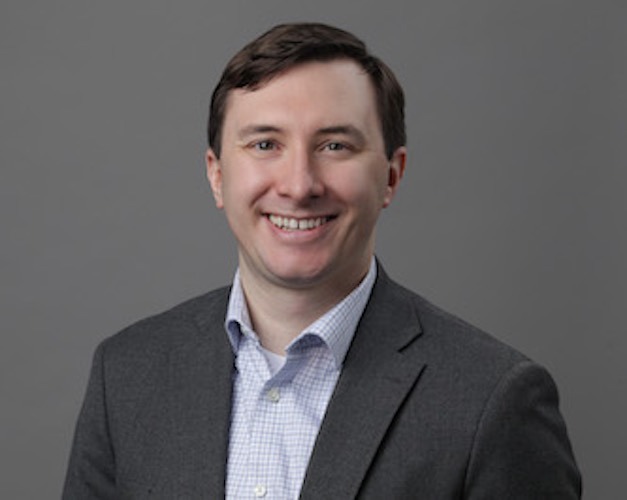
Matthew Gardner, PhD
Assistant Professor, Department of Medicine, Division of Infectious Diseases, Emory School of Medicine
Assistant Professor, Department of Pathology and Laboratory Medicine, Emory School of Medicine
Researcher, Division of Microbiology and Immunology, Emory School of Medicine
Emory National Primate Research Center Researcher
Christian P. Larsen, MD, PhD
Professor, Department of Surgery
Emory School of Medicine


Kay Chung, PhD
Assistant Professor, Department of Cell Biology & Physiology
University of North Carolina, Chapel Hill
Brent Hanks, MD, PhD
Associate Professor, Department Medicine, Oncology
University of North Carolina, Chapel Hill
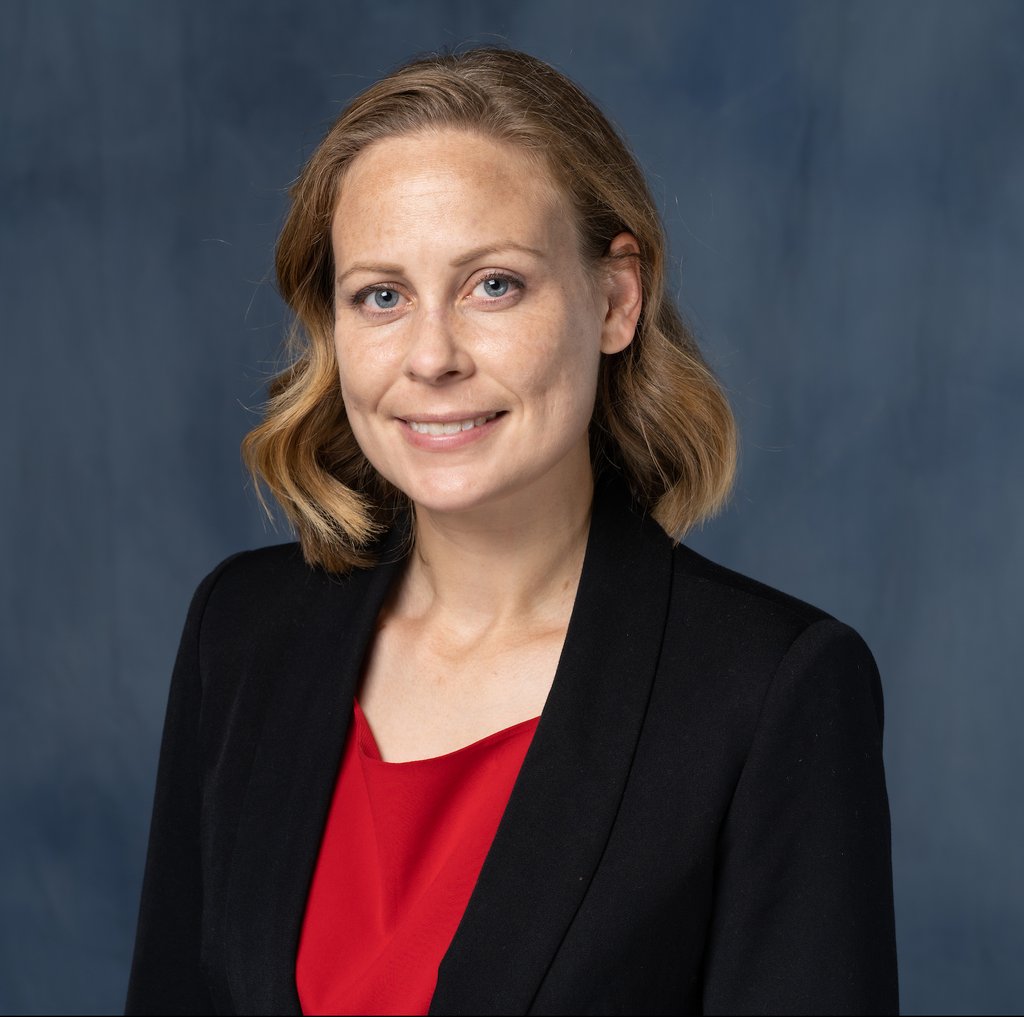
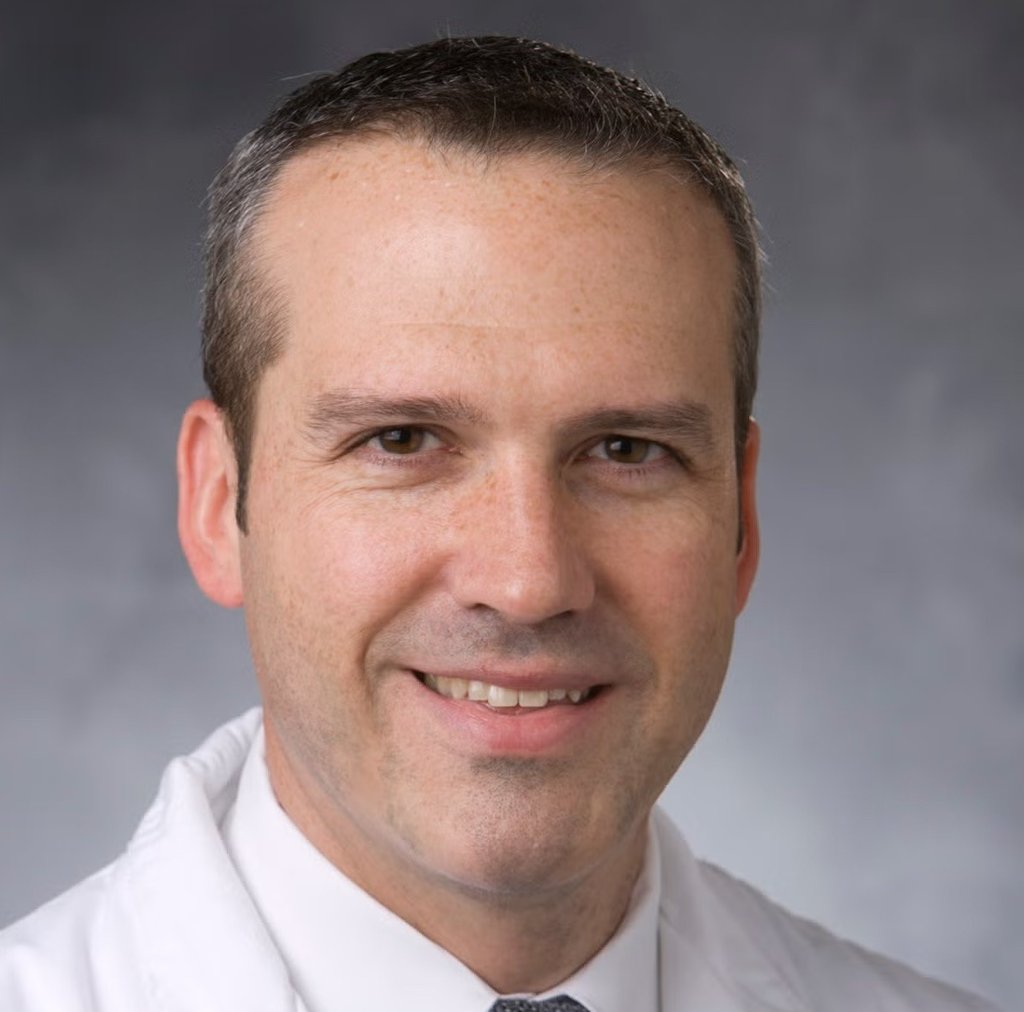
Brent A. Hanks, M.D., Ph.D. is a tenured associate professor and physician scientist at University of North Carolina Lineberger Cancer Center interested in understanding mechanisms underlying tumor-mediated immune evasion and immunotherapy resistance. One area of interest for his lab is on tumor-mediated dendritic cell (DC) dysfunction in the tumor microenvironment. Despite the critical role of DC-dependent antigen cross-presentation in driving anti-tumor immunity, therapeutic strategies to enhance this process are lacking. Their work on DC tolerization in the tumor microenvironment is now centered on understanding the environmental cues and signaling networks associated with their recent discovery of a gpr65-SREBP2-NR4A1/PCSK9 signaling pathway that converts conventional DCs into a pro-tolerogenic DC population found to support tumor progression.


Emily Moser, PhD
Assistant Professor, Department Medicine
University of Florida
Division of Pulmonary, Critical Care, and Sleep Medicine
Scripps
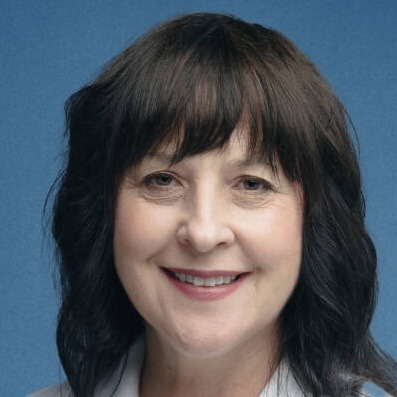
My research aims to define new activation and regulatory pathways in B cells that fine-tune humoral immunity. My lab has identified novel roles for several enzymes in regulating critical aspects of B cell biology that influence antibody responses. For example, the HECT-type ubiquitin ligase Itch, is a potent negative regulator of B cell proliferation and prevents autoimmunity. In addition, the RING-type ubiquitin ligase Cul4b promotes cell cycle and differentiation, driving robust antibody responses after immunization. By studying these different B cell regulators, we are mapping new molecular pathways underlying pathogenic and protective humoral immunity, laying the groundwork for novel approaches to ameliorate autoimmune diseases and improve vaccine-mediated immunity.


Allison Bayer, PhD
Associate Professor, Department Pathology, Immunology, and Laboratory Medicine
University of Florida
Scripps

Isidoro Cobo, PhD
Assistant Professor, Department of Medicine, Division of Immunology and Rheumatology
University of Alabama at Birmingham
Maria Grant, MD
Professor; Eivor and Alston Callahan, MD, Endowed Chair in Ophthalmology
University of Alabama at Birmingham
Ruben Martinez Barricarte, PhD
Assistant Professor of Medicine, Division of Genetics
Assistant Professor of Pathology, Microbiology and Immunology
Vanderbilt Institute for Infection, Immunology and Inflammation
Inborn errors of immunity (IEI) are a heterogeneous group of monogenic diseases that impair immune development or function, leading to susceptibility to severe infections, autoimmunity, autoinflammation, or cancer. The study of IEI is critical and insightful from both immunological and clinical perspectives. Clinically, the knowledge gained from studying IEI enables physicians to provide genetic counseling to families, diagnose patients, and apply preventive treatments to individuals at risk. Immunologically, the in-depth functional characterization of IEI reveals the critical, non-redundant roles of specific molecules, cells, and pathways in correctly assembling human immune responses. The Martinez-Barricarte lab uses a multidisciplinary patient-based approach to tackle two limitations in the field of IEI research: i) most patients with a clinically defined IEI lack a genetic etiology for their condition, and ii) the molecular consequences of some IEI-causing mutations remain unknown.


Mark R. Boothby, MD, PhD
Professor of Pathology, Microbiology and Immunology
Professor of Medicine
Vanderbilt Institute for Infection, Immunology and Inflammation
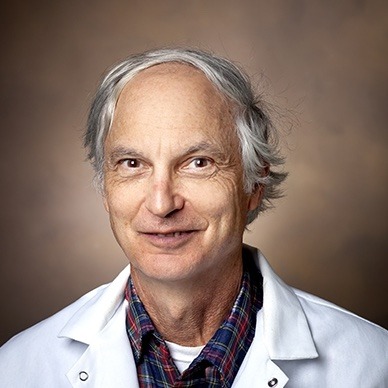

Erika J. Crosby, PhD
Assistant Professor in Surgery
Assistant Professor in Integrative Immunobiology
Assistant Professor in Molecular Genetics and Microbiology
Member of the Duke Cancer Institute
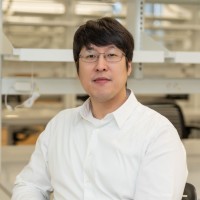

DaeYong Lee, PhD
Assistant Professor
Virginia Tech
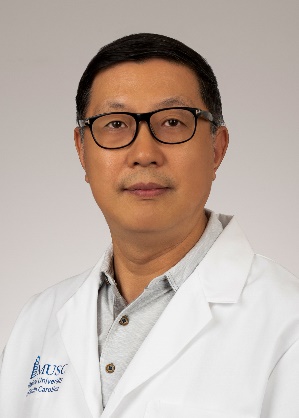

Yuan Zhai, MD, PhD
Professor
Medical University of South Carolina
My research focuses on immunological mechanisms in organ transplantation, particularly liver ischemia–reperfusion injury (IRI), a major cause of graft dysfunction and rejection. For over two decades, my lab has advanced understanding of IRI through mouse models, identifying key roles for Toll-like receptor 4, type I interferon, CXCL10/CXCR3 signaling, and glycogen synthase kinase 3β. My current NIH-funded work explores macrophage heterogeneity and regulatory networks in liver inflammation, injury, and repair.


Michelle H. Theus, PhD
Professor, Molecular and Cellular Neurobiology
Director, Neurotrauma Research Program
Virginia Tech
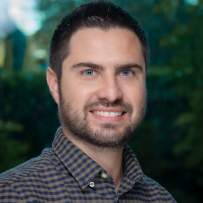
My laboratory uses a variety of cellular, molecular, and imaging tools to investigate Eph receptor biology and function following traumatic brain injury (TBI) and stroke. We discovered that Eph receptors are axon growth/guidance molecules that play a unique and novel role in regulating vascular, neural stem cell, and peripheral immune cell-mediated responses following brain injury. Our funded work has established endothelial mechanisms of EphA4 (Journal of Clinical Investigation and PNAS) and has extended its novel role in regulating neuroinflammation and vascular remodeling (JCI insights, Advanced Science, and J. of Neuroinflammation). In collaboration with Carilion Clinic physicians, we are translating our findings into human studies of stroke and TBI, correlating preclinical findings of vascular injury and remodeling with age-dependent responses to TBI. I currently hold three active IRBs. I have also participated in a multi-PI grant from the Cure Epilepsy Foundation to evaluate vascular-glial interactions in TBI-induced epilepsy. My productivity over the last five years (2019-2024) has been solid, with 26 original peer-reviewed papers and reviews published. I have trained over 30 undergraduates, successfully graduated 10 Ph.D. students, and currently have two Ph.D. candidates and four postdoctoral researchers. I currently serve as Director of Virginia Tech’s (VT) Neurotrauma Research Program and the Vice Chair for Precision Medicine at the Center for Engineered Health. I have received VT’s Outstanding Mentor Award, Office of the Vice President for Research Scholar of the Week, the 2023 VMCVM Distinguished Research Faculty Award, and the 2025 VT-Office of Research & Innovation Frontier Award. This includes being recognized twice by the National Neurotrauma Society as a trainee at the Miami Project to Cure Paralysis, University of Miami, for the Michael Goldberger Research Award of Excellence and the Women in Neurotrauma (WiNTR) Research Award of Excellence. I’ve held numerous council positions for the Central Virginia Chapter of the Society for Neuroscience (CVCSN) and the National Capital Area for Neurotrauma Research.
RESEARCH INTERESTS: The Laboratory of Neurotrauma and Repair investigates Eph receptor biology and function in the context of brain injury. Eph receptors are developmentally important molecules critical for axon growth & guidance, and we discovered that they play a vital role in regulating injury-induced vascular remodeling, neuroinflammation, and blood-brain barrier integrity. This work has been highlighted in the JCI, Advanced Science, J Neuroinflammation, and PNAS. We interrogate Eph signaling using conditional gene-targeted approaches in murine models of stroke, traumatic brain injury, and post-traumatic epilepsy. A variety of cellular, molecular, and advanced imaging tools, including single-cell RNA sequencing, are integrated into studies aimed at understanding the key mechanistic pathways underlying neurovascular and neuroimmune health.


Marco Orecchioni, PhD
Assistant Professor, Medical College of Georgia, Immunology Center of Georgia

Nicholas R.J. Gascoigne, PhD, FRSB
Professor, Immunology Center of Georgia
Lamar B. Peacock, M.D. Distinguished Chair for the Study of Immunological Disease
Professor, Department of Medicine, Medical College of Georgia, Augusta University
Member of Cancer Immunology, Inflammation, & Tolerance (CIIT), Georgia Cancer Center
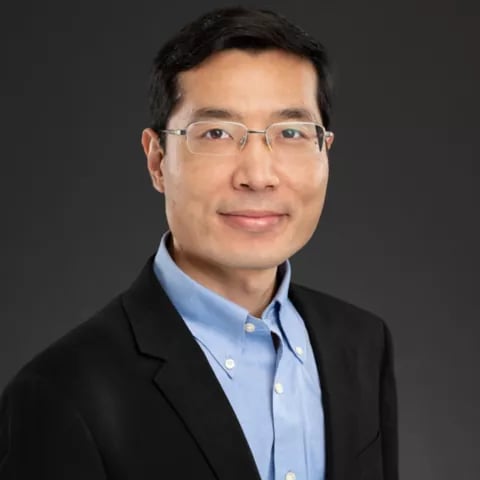
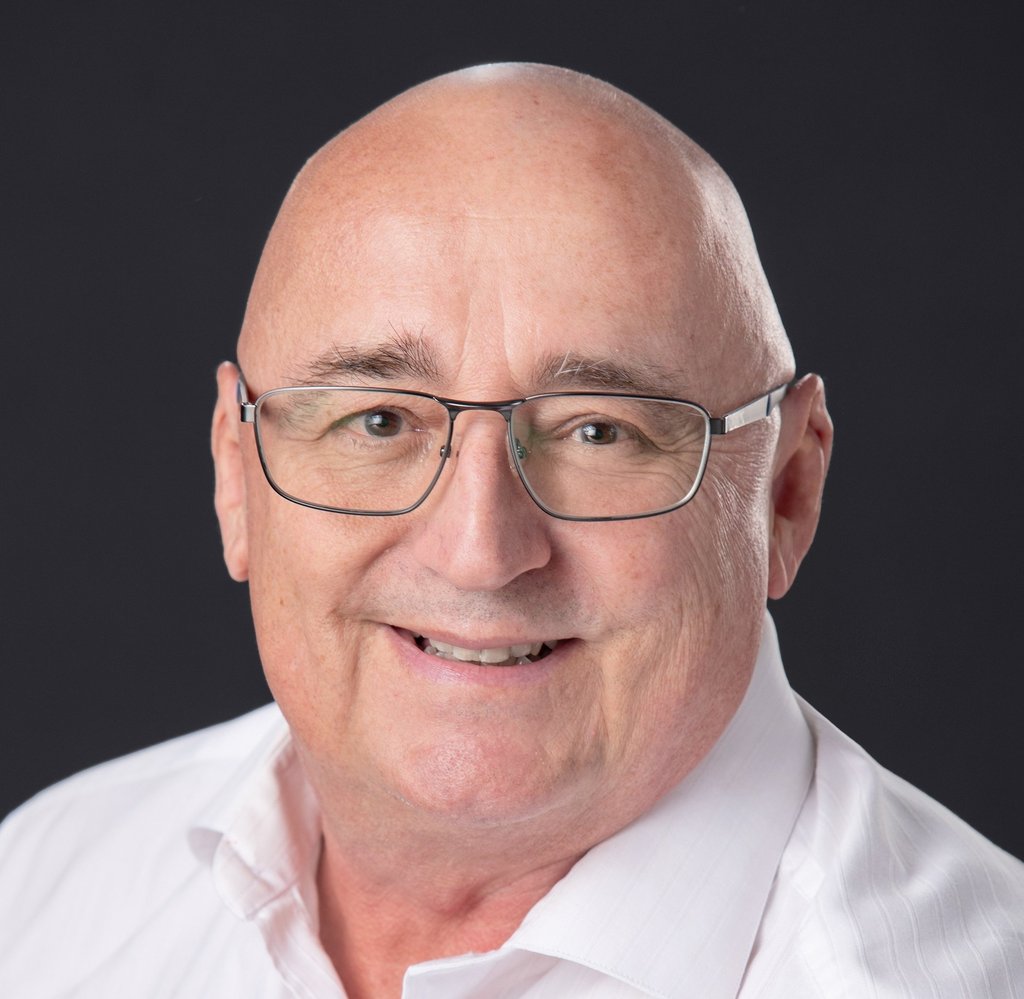
Dr Gascoigne’s research interests are in cellular and molecular immunology, focusing on the regulation of signaling in T cell activation and development. His lab demonstrated the role of TCR binding strength in thymocyte differentiation, and the importance of the TCR’s CDR1 and CDR2 sequences in MHC restriction. The lab later developed Foerster Resonance Energy Transfer (FRET) imaging to analyze interactions between cell surface molecules and demonstrated the importance of co-agonism in antigen recognition. His group co-discovered and characterized Themis, a protein that controls thymocyte positive selection through regulation of TCR signaling strength.
His current interests are in T cell signaling, activation, and development, including signaling pathways in CAR-T cells and how they can be manipulated to improve CAR-T function in cancer immunotherapy. His lab recently showed that CAR signaling can work in the absence of the kinase LCK, using instead the related kinase FYN. LCK is absolutely required for T cell activation through the TCR, so that when LCK is knocked out, the CAR, but not the TCR, is able to signal. Not only does this improve CAR function in general, but it allows allogeneic use of CAR-T – giving CAR function without graft versus host disease – while still leaving the TCR present in a form that enables the low-level signals needed for T cell survival. In addition, his group is working on novel genes that enhance T cell activity in the tumor microenvironment. He has published over 180 scientific articles.
Contact
Questions? Contact info@sis-inc.org
© Southeastern Immunology Symposium 2026. All rights reserved.